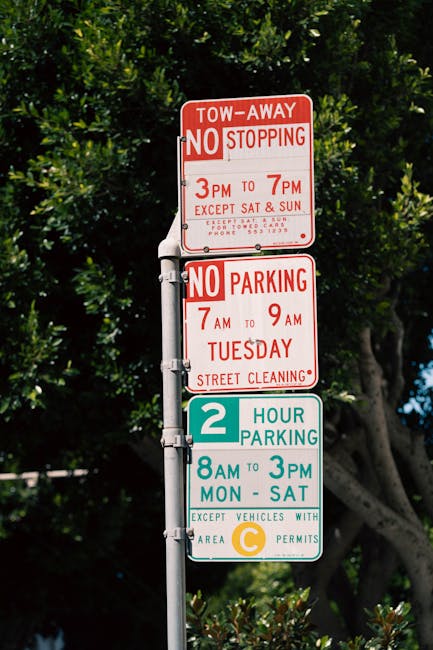
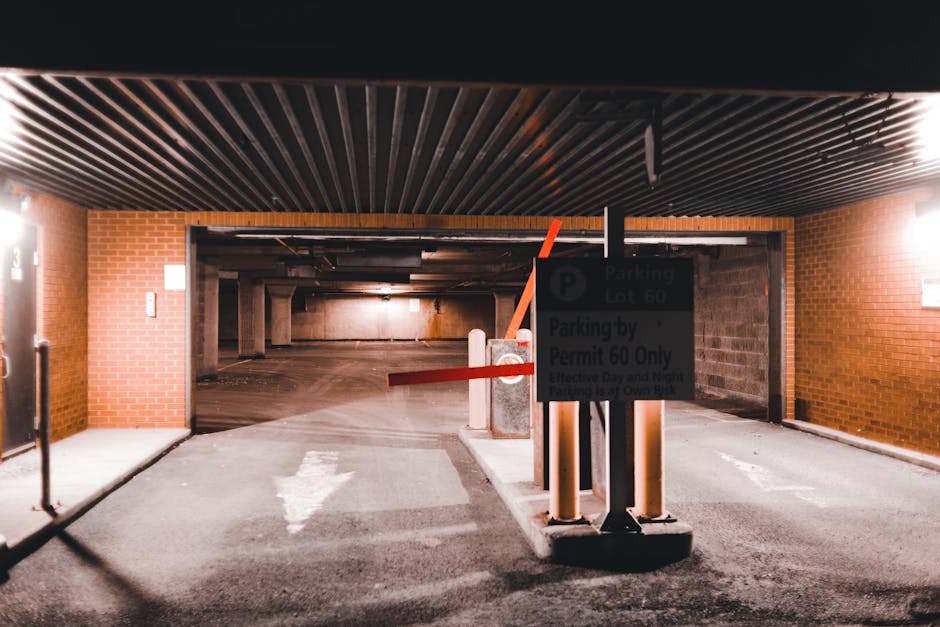
Hillingdon Council Parking Permits for Yeading Removals: A Practical Guide for a Smoother Move
If you are moving in Yeading, parking can become the part of the day that quietly causes the most stress. Vans need space, neighbours still need access, and a loading bay or clear stretch of road is never quite as straightforward as it looks from the pavement. That is where Hillingdon Council parking permits for Yeading removals come in. Used properly, they help keep your move legal, calmer, and far less stop-start. Used badly, they can leave you dealing with avoidable delays, awkward parking disputes, or a nasty penalty when you least want it.
This guide explains what the permit process means in real terms, when it matters, how removal teams usually plan around it, and what you can do to make the whole day run more smoothly. I'll also cover the common mistakes people make, because let's face it, moving house already gives you enough surprises without adding a parking headache on top.
Why Hillingdon Council parking permits for Yeading removals Matters
Yeading has the kind of roads where a removal van can fit perfectly one minute and feel impossible the next. Near busier routes, narrow residential streets, shared bays, and busy periods around school runs or commuting hours, parking becomes more than convenience. It becomes part of the moving plan.
A parking permit or temporary parking arrangement matters because a removal vehicle is not like a family car. It is bigger, slower to reposition, and often needs longer loading time than a quick drop-off. If a van ends up circling the block or blocking a tight junction, the move can drag on. In some streets, that extra pressure ripples outward fast: neighbours complain, the crew has to shuffle equipment, and boxes sit on the pavement longer than they should.
For many moves, this is also about avoiding risk. A permit can reduce the chance of parking enforcement action, but it also helps the removals team work more efficiently. One clear space near the property can save several trips with heavy furniture. That sounds small. It isn't. Over the course of a move, it can make a very visible difference.
In short: if parking is tight, uncertain, or likely to be challenged, sorting access early is usually one of the smartest things you can do.
How Hillingdon Council parking permits for Yeading removals Works
The basic idea is simple: if your move needs a vehicle to stop, load, or unload in a controlled or restricted area, you may need permission or an arranged parking solution. In practice, that can mean a temporary dispensation, a permit for a parking bay, or another local arrangement depending on the road and the timing.
The exact process can vary by street, by time of day, and by the type of bay or restriction outside the property. Some streets are easier than others. Some are fine at 10 a.m. and impossible by 8 p.m. That is why relying on guesswork is rarely a good idea.
Here is the simple flow most people should expect:
- Check whether the van can legally stop where you need it.
- Identify any controlled parking zone, permit bay, yellow line, or loading restriction near the property.
- Confirm whether a temporary permit, visitor arrangement, or exemption is needed.
- Build that into the move date and arrival time.
- Keep proof of approval available on the day, just in case it is needed.
For removals, timing matters almost as much as the paperwork. A permit that covers the wrong hours is not very useful. Neither is booking a van before you have checked whether access is realistic. If you are also planning packing and clearance in advance, it helps to read practical material like how to organise and pack like a pro when moving house so the loading plan matches the parking plan.
Key Benefits and Practical Advantages
Done well, parking planning is not just administrative box-ticking. It makes the removal day feel more controlled, which is usually what people want most.
- Less delay: The vehicle can get closer to the property, so loading is quicker.
- Reduced stress: You are not improvising on the pavement while everyone watches the clock.
- Lower risk of fines: Fewer parking surprises means fewer expensive mistakes.
- Better safety: Less distance between door and van can reduce carrying strain.
- Smoother neighbour relations: Nobody enjoys blocking driveways or arguing over a space at 7:30 in the morning.
- More predictable costs: Time saved on the day often reduces knock-on charges.
That last point is easy to overlook. When a van cannot park close enough, you may need more labour time, more trips, or an added waiting period. If you are comparing moving costs, parking is one of the hidden variables worth checking early. Our guide on spotting hidden removal fees in Yeading before you book is helpful if you want to understand where unexpected extras tend to appear.
There is also a practical comfort factor. A move feels very different when the van is parked neatly outside and the route from flat to vehicle is short. You can hear the trolley rolling, the floorboards creaking, boxes being stacked with a dull thud. It sounds minor, but the whole mood changes.
Who This Is For and When It Makes Sense
Not every Yeading move needs a parking permit. If you are moving from a property with a private driveway or a very accessible forecourt, you may not need to worry much. But for many local moves, the question is not whether a permit is nice to have. It is whether it prevents a problem before it begins.
This topic is especially relevant if you are:
- moving from a flat or maisonette on a busier road;
- using a larger removal van rather than a small car;
- moving on a weekday morning or during a busy traffic window;
- loading from a permit-only bay or a restricted curbside space;
- needing a long loading period for furniture, appliances, or multiple trips;
- booking a same-day or short-notice move where there is little room for error.
If your move involves a lot of furniture, the parking question becomes even more important. A sofa or wardrobe does not politely wait while you circle the block. For heavy items, it is worth pairing parking planning with specialist handling guidance such as furniture removals in Yeading or, where needed, bulky-waste moves in Yeading.
Students, tenants, homeowners, and office movers can all benefit from the same principle: if the van can park sensibly, the day usually flows better. Simple as that.
Step-by-Step Guidance
If you want to make parking one less thing to think about, follow this sequence. It is not glamorous, but it works.
1. Check the road outside the property
Start with what is actually on the street: yellow lines, residents' bays, time-restricted bays, or loading restrictions. Do not assume that because a neighbour parked there once, your removal van will be allowed there too. Streets can be deceptive like that.
2. Work out the vehicle size you will use
A small van, a medium van, and a larger removal vehicle create very different parking needs. If you are booking a larger vehicle, you should assume it needs more space to manoeuvre and more room to stand safely while loading. If you are unsure, talk through the property access in advance. A good team will ask questions rather than assume.
3. Decide how long loading will take
Parking arrangements should match the real moving window, not the optimistic version. If you have stairs, awkward furniture, or fragile items, loading may take longer than expected. People often underestimate this. Then they are rushing, and that is when things get messy.
4. Confirm whether special permission is needed
Some streets may need a formal parking arrangement, while others may only need a sensible plan for time and location. If the area is controlled, do not leave this until the last minute. Once the removal day is on the calendar, parking should move up your list quickly.
5. Share the access details with the removals team
Tell them where the van can stand, where it cannot stand, and whether there are any awkward corners, gates, or tight turns. If you are moving from a flat, it can help to review flat removals in Yeading alongside the access notes, because flats often bring stairwells, communal entrances, and limited curb space into the picture.
6. Prepare proof and a backup plan
Keep any approval details accessible. Also, have a fallback position in mind. What if the nearest space is blocked? What if another vehicle is already in the spot? It is better to know the plan B before the boxes are at the kerb.
Expert Tips for Better Results
After enough moving days, certain habits stand out. The smoothest jobs are rarely the ones where everything was perfect. They are the ones where the parking, packing, and timing were thought through early.
Book around traffic, not just around convenience. A move that starts in the middle of a school run or peak local traffic can take noticeably longer. If you have flexibility, choose a calmer window.
Take photos of the street before moving day. It sounds a bit fussy, but it helps. A quick picture of the parking layout, bay markings, or the position of a dropped kerb can save confusion later.
Keep the load path short and clear. Move bins, bikes, plant pots, and loose clutter out of the way beforehand. It gives the crew a clean line from door to vehicle and reduces the chances of a trip or scrape.
Coordinate parking with packing. If the van has to stop a little further away than planned, boxes should be light enough to carry safely. This is where using sensible packing habits matters. If you need a refresher, proven decluttering hacks for an easy move can help you reduce volume before moving day.
Ask one person to own access planning. Too many cooks, as they say, and parking details get lost in the shuffle. One person should keep an eye on approvals, timing, and street access.
Think about the neighbours. A polite note, a calm knock on the door, or simply avoiding blockages makes the atmosphere better. That matters more than people admit.
And a slightly human note here: if you are moving out in early morning drizzle, with a kettle still heating in the kitchen and a man with a van waiting outside, small planning decisions start to feel very big. That is normal. It is also why parking prep pays off.
Common Mistakes to Avoid
Most parking problems in removals are predictable. The good news is that predictable problems are fixable.
- Leaving it too late: Parking arrangements should not be a last-minute thought on moving day.
- Assuming a van can park like a car: It cannot. Not really. Different size, different rules, different consequences.
- Ignoring loading time: A permit or arrangement that only covers a tiny window is usually not enough.
- Forgetting about return trips: If the van must make multiple runs, the parking slot needs to work across the whole job.
- Not sharing restrictions with the removals team: A crew cannot plan for a cul-de-sac squeeze if nobody mentions it.
- Overlooking nearby roadworks or local disruption: Yeading can change quickly on busy days, and access can shift with very little warning.
Another common issue is underestimating how much furniture needs to move at once. A single wardrobe may seem manageable. Add a mattress, a bed frame, a fridge, and three boxes of kitchenware, and suddenly the loading time balloons. If that sounds familiar, it may help to look at moving your bed and mattress with confidence before the day arrives.
Tools, Resources and Recommendations
You do not need a complicated toolkit to manage this well. What you need is a sensible set of details and a bit of organisation.
| Tool / resource | Why it helps | Best use |
|---|---|---|
| Street access notes | Clarifies where the van can stop | Before booking the removals slot |
| Property photos | Shows restrictions, gates, widths, and turning space | When discussing access with the mover |
| Time plan | Matches parking cover with loading duration | During move preparation |
| Packing labels | Speeds up unloading if parking time is limited | Before boxes are sealed |
| Backup contact | Helps with last-minute access questions | On moving day |
There are also a few website resources worth using if you want the moving side to be as tidy as possible. A good starting point is the services overview, especially if you are deciding whether you need a simple man and van job or a fuller removal service. If you want to understand how costs are put together, pricing and quotes can be useful, and for payment reassurance there is payment and security.
For those planning a fuller move, removals in Yeading gives you a broader starting point, while man with a van in Yeading can suit smaller or more flexible jobs. If you are moving items into storage, consider storage in Yeading as part of the same planning conversation.
Law, Compliance, Standards, or Best Practice
Parking rules can be local and specific, so the safest approach is to treat them carefully rather than casually. In the UK, parking restrictions, loading permissions, and temporary exemptions can vary by road marking, zone, and local enforcement practice. That means the practical question is not "Can I usually park here?" but "Can I legally stop here, for this vehicle, at this time, for this purpose?"
From a best-practice point of view, removal jobs should avoid blocking access routes, driveways, emergency access, or pedestrian paths. That is common sense, but it also reflects good duty of care on a busy street. If a removal involves heavy items, crew members should also use safe lifting methods and clear routes. For a bit more context on lifting and handling, health and safety policy and insurance and safety are useful references for how a professional service thinks about risk.
Good practice also means being honest about access limitations. If the road is too narrow for a large van, say so. If the only suitable stopping point is a short walk away, build that into the schedule. That is not a failure; it is planning. There is a difference.
And if you are disposing of old furniture as part of the move, remember that removal and disposal are not quite the same thing. Some items need separate planning, especially if they are bulky or awkward. A bit of reading on recycling and sustainability may help you avoid unnecessary waste or confusion about what should be moved, reused, stored, or taken away.
Options, Methods, or Comparison Table
There are a few ways to handle parking for a Yeading removal. The right choice depends on the street, the size of the vehicle, and how long you need curbside access.
| Method | Best for | Advantages | Watch-outs |
|---|---|---|---|
| No permit, simple kerbside stop | Very short, low-risk jobs with easy access | Quick and low admin | Only works if parking is genuinely straightforward |
| Temporary permission or arranged parking | Moves with planned loading time | More reliable, less stress | Needs advance checking and clear timing |
| Remote parking with trolley carry | Tight streets or restricted roads | Flexible if the street is busy | Slower, more physical, can increase labour time |
| Smaller vehicle approach | Areas with limited turning space | Easier to position and manoeuvre | May require more trips |
If your property is a flat in a tighter street, the trade-off between vehicle size and access becomes especially important. Sometimes a smaller van parked neatly beats a larger van that never quite fits. For students and compact moves, student removals in Yeading can be a sensible match because the vehicle plan can stay lean and practical.
Case Study or Real-World Example
A recent Yeading move involved a first-floor flat on a residential road with limited curb space and a narrow parking layout. The initial idea was simple: park outside, load everything, and be gone before lunch. In reality, the street was fuller than expected, and a vehicle stopping in the wrong spot would have caused obvious problems.
Instead of forcing the issue, the move was planned with a smaller vehicle and a tighter loading window. The team arrived early, checked access, and used the closest safe stopping point rather than trying to squeeze into a poor bay. Boxes were pre-labelled, larger furniture had been dismantled the night before, and the loading route was kept clear. Nothing dramatic. Just good basics done properly.
The result? Less waiting, fewer awkward shuffles, and far less pressure on the day. The whole job felt calmer because nobody was trying to solve parking while carrying a mattress downstairs. That is the kind of difference a proper plan makes.
If you are facing a short notice move or an awkward property handover, the same principles apply. In those situations, it can help to read eviction or short-notice moves in Yeading so you are thinking about pace, access, and timing together instead of separately.
Practical Checklist
Use this before moving day so parking does not become the weakest link.
- Check the street outside the property for restrictions.
- Confirm whether the van can legally stop for loading.
- Match parking timing to the estimated load time.
- Share access notes with the removals team early.
- Take photos of the street and any parking signs.
- Clear bins, bikes, and clutter from the load path.
- Plan for awkward furniture and multiple trips.
- Keep any parking permission details accessible on the day.
- Have a backup parking option in mind.
- Review your removal plan for hidden time pressures.
If you want extra prep support, a quick look at packing and boxes in Yeading can help you keep the move efficient, and a stress-free house move guide gives you a broader picture of what good moving-day planning looks like.
Key takeaway: the best parking plan is the one that fits the street, the van, and the timing-not the one that sounds easiest on paper.
Get a free quote today and see how much you can save.
Conclusion
Hillingdon Council parking permits for Yeading removals are not glamorous, but they are often the difference between a smooth, organised moving day and a day full of small, irritating setbacks. If your street is tight, your loading time is long, or your vehicle needs a proper stopping place, it makes sense to think about parking early and carefully.
The best moves in Yeading usually come down to the basics: clear access, realistic timing, good packing, and a little local awareness. Get those right and the rest feels easier. Truth be told, that is half the battle already won.
And if the day still feels a bit much, that is normal too. Moving is a lot. But with the right parking plan, it becomes a lot more manageable, and sometimes that is all you need.
Frequently Asked Questions
Do I always need a parking permit for a Yeading removal?
No, not always. If you have private off-street parking or a simple loading area, you may not need one. The need depends on the road, the restrictions, and how long the van needs to stop.
How far in advance should I sort parking for a removal?
As early as you can. The earlier you check the street and vehicle plan, the easier it is to avoid last-minute changes. A few days' notice is better than leaving it until moving morning.
What happens if the van cannot park outside the property?
The crew may need to park further away and carry items by hand or use equipment. That can take longer, so the schedule may need adjusting.
Can a smaller van avoid the need for a permit?
Sometimes it helps, especially on tighter roads, but it does not automatically remove the need for parking arrangements. The legal position still depends on the bay or restriction in place.
Are removal companies used to handling parking restrictions?
Good ones are. A professional team should ask about access, loading space, and street conditions before the move. If they do not mention parking at all, that is a small warning sign.
What if I am moving from a flat with no driveway?
That is exactly when parking planning becomes more important. Flats often mean less curb space, longer carry distances, and more pressure on the schedule.
Can parking issues make a removal more expensive?
Yes, they can. If parking is awkward, the move may take longer or require more labour. That is why access questions are worth resolving early.
Is it worth using a removal service for a short local move?
Often, yes. Even a short move can become complicated if parking is tight or furniture is bulky. A professional service can save time and reduce stress.
What should I tell the removals team about parking?
Tell them about road width, bay restrictions, yellow lines, loading time limits, gates, nearby obstacles, and whether the van can stop directly outside. The more practical detail, the better.
What if I also need storage during the move?
Then parking is only one part of the plan. Storage can help if access dates do not line up neatly or if you need to stage the move. In that case, looking at storage in Yeading alongside the removal schedule is a sensible step.
Does a parking permit solve every access problem?
No. It helps with parking, but it does not fix narrow staircases, awkward furniture, or poor packing. You still need a solid removal plan.
Where can I check the rest of the move details?
Start with the company's service pages and planning guides, then work from your own property layout. If you want a broader overview, the most useful next step is usually to compare your move type with the right removal service and make the access details part of the booking conversation.