Bulky-waste moves in Yeading: Sofa, fridge and disposal traps
Posted on 10/06/2026
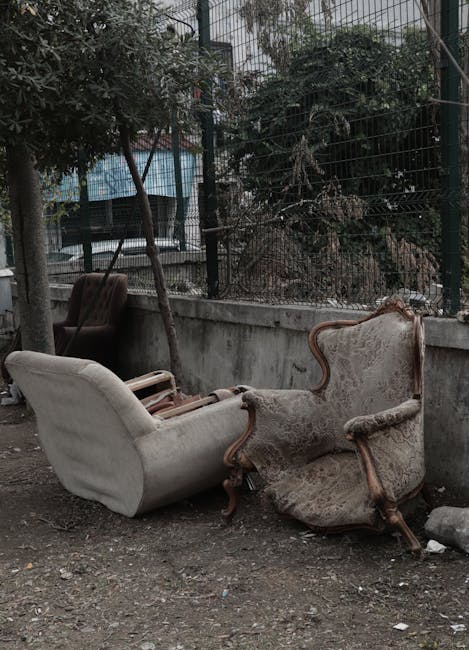
Getting rid of a sofa or fridge during a move sounds simple enough until you're the one standing in a hallway with a stuck corner, a heavy door, and nowhere sensible to put the thing. That is where Bulky-waste moves in Yeading: Sofa, fridge and disposal traps become a real planning issue, not just a tidy-up task. The job touches transport, lifting, access, recycling, timing, and often a bit of judgment too. In Yeading, where homes range from compact flats to family houses with tight stairwells and awkward parking, those details matter more than people expect.
This guide breaks down what goes wrong, how to handle sofa and fridge disposal more safely, and how to avoid the little traps that turn a straightforward move into a stressful afternoon. It's practical, local, and designed to save you from the classic "we'll sort it on the day" mistake. Spoiler: that plan rarely ages well.
Why Bulky-waste moves in Yeading: Sofa, fridge and disposal traps Matters
Bulky items are not just "big things". They are awkward things. A sofa may be light enough for two people in theory, but in practice it catches on bannisters, twists at the elbow, and refuses to behave in narrow hallways. A fridge is even trickier. It's heavy, rigid, and often full of hidden issues such as coolant handling, water trays, or doors that need to be secured before transit.
In Yeading, this matters because many moves happen in real-life conditions: limited drive space, shared entrances, upstairs flats, and parking that can be just a bit of a faff. Add in the pressure of moving day and it becomes very easy to rush. Rushing is where disposal traps happen. You may forget to check whether the item is still in working order, whether it needs separating from other waste, or whether it should be stored temporarily instead of removed immediately.
There is also the money side. Mishandled bulky waste can lead to extra trips, avoidable labour time, missed collection windows, or damage to walls and floors. And yes, the fridge still has to go somewhere. If you do not decide that early, it often ends up sitting in a hallway like an unwanted guest.
For anyone planning a fuller house move, this topic also connects to bigger moving decisions. The same planning mindset that helps with a stress-free house move and decluttering before moving also helps with heavy-item disposal. Ignore the bulky pieces and the rest of the move can feel oddly lopsided.
How Bulky-waste moves in Yeading: Sofa, fridge and disposal traps Works
The basic process is simple: decide what the item is, check whether it can be reused, repaired, sold, stored, or recycled, then arrange the correct removal method. The practical reality is a bit messier. Each item type comes with its own handling rules and its own risk points.
Sofas
Sofas tend to fail at the same moments: turning corners, going down stairs, or being lifted by people who underestimated the weight distribution. Cushions, armrests, and internal frames make them feel uneven. Some sofas can be disassembled; others really should not be forced apart without checking the fixings first. A fabric sofa can also absorb damp or dirt during a holding period, so if you are keeping it for storage or a later move, it needs protection. If that's your situation, the advice in sofa storage and preservation tips is worth a read.
Fridges and freezers
Fridges and freezers bring a different set of issues. They need unplugging in advance, fully defrosting where necessary, and securing so that shelves, trays, and doors do not shift during transport. Leftover water is a nuisance and sometimes a genuine hazard. Nobody enjoys carrying a dripping appliance through a stairwell at 8 a.m. on a damp London morning. Nobody.
If a freezer is not going straight back into use, storage planning becomes important. That is where long-term freezer storage guidance can help you avoid the common mistake of wrapping it badly and hoping for the best.
The disposal traps
The traps usually fall into four categories:
- Access traps - the item fits the room, but not the route out.
- Timing traps - the removal is booked before the item is ready.
- Condition traps - the item is dirtier, wetter, or more fragile than expected.
- Compliance traps - the item is treated like ordinary rubbish when it needs a more careful route.
The trick is to think of bulky waste as part of the move plan, not something to deal with "after everything else". That small change in order makes a surprisingly big difference.
Key Benefits and Practical Advantages
Handled properly, bulky-waste removal can make the whole move calmer, quicker, and more economical. It's not glamorous, but it is useful. Very useful.
- Less last-minute stress - you are not trying to fit a sofa through a doorway while a van waits outside.
- Safer lifting - fewer awkward carries mean less chance of injury or property damage.
- Cleaner move-out - removing bulky items early helps with final cleaning and inspection.
- Better space planning - once the large items are gone, packing and loading become more organised.
- Improved recycling options - appliances and furniture are easier to route correctly when assessed in advance.
There's also a less obvious benefit: decisions become easier. Once you've made a clear call on the sofa, the fridge, the mattress, and the old table, the rest of the move often feels lighter. Literally and mentally.
For some moves, the best outcome is to keep a bulky item in transit rather than dispose of it. That may sound obvious, but people do mix the two up. If you need a removal day where furniture is being moved rather than discarded, the practical approach used in furniture removals in Yeading is a better fit than treating everything as waste.
Who This Is For and When It Makes Sense
This sort of planning is for anyone dealing with heavy or awkward household items in Yeading. That includes:
- homeowners downsizing or upsizing
- tenants clearing a flat before handover
- students leaving shared accommodation with bulky furniture
- families replacing old appliances before a new move
- landlords or letting agents arranging end-of-tenancy clear-outs
- small office or studio moves with leftover furniture or appliances
It makes sense whenever you have one or more of the following: stairs, tight access, limited parking, no lift, a same-day deadline, or an item that may need specialist handling. If you are in a rush, that can tip the balance toward choosing same-day removals in Yeading, but only if the bulky items are ready to go. Otherwise, you can end up paying for speed while still losing time on prep. Not ideal.
Students and flat sharers often underestimate this. A couple of old chairs, a wardrobe, and a fridge can suddenly feel like a small mountain. If that sounds familiar, the planning ideas in student removals in Yeading and flat removals in Yeading are especially relevant.
Step-by-Step Guidance
Here is the sensible way to tackle bulky-waste moves without turning the day into a scramble.
- Identify every bulky item early
Walk through the property and list sofas, fridges, freezers, mattresses, wardrobes, and anything else large enough to create a bottleneck. Do this before packing gets serious. The earlier the list, the better the choices.
- Decide: keep, move, sell, donate, store, or dispose
Do not let "maybe" hang around too long. A maybe sofa can waste a lot of planning energy. Be honest about the item's condition, age, and likely future use.
- Measure the route out
Doorways, stair turns, hall widths, and external steps can make or break the move. If the sofa fits the living room but not the landing, you have a problem. Best know now.
- Prepare the item properly
Remove cushions, tape loose parts, empty drawers, defrost fridges, and protect surfaces with suitable wrapping or blankets. For a fridge, check for leftover water and secure shelving. For sofas, protect corners and fabric.
- Clear the path
Move shoes, lamps, bins, fragile decor, and anything else that might trip a carrier or snag an item. The empty route is part of the job.
- Plan loading order
Heavy, rigid items usually go in first or get positioned for balance. Sofas may need to be angled carefully. Fridges must be stabilised so they do not slide or tip.
- Confirm the destination
If the item is leaving the property, know where it is going. Disposal, recycling, storage, resale, or a new address each creates a different moving plan.
- Check the end result
Once the bulky item is removed, inspect floors, walls, and skirting for scratches or stray debris. That last check saves annoying surprises later.
For anyone wanting a more organised overall move, it helps to combine this with advice on packing like a pro and a step-by-step move-out clean. The bulky items go, then the deep clean becomes much easier. Funny how that works.
Expert Tips for Better Results
Small decisions make a big difference with bulky waste. Here are the details people often miss.
- Take doors off only if it helps - sometimes removing a door makes a fridge move safer. Sometimes it makes the job more fiddly. Judge it properly.
- Keep screws and fittings in labelled bags - if a sofa or appliance will be reassembled, do not toss the bits into a random pocket.
- Use blankets, not guesswork - soft protection around corners and door frames is worth the few extra minutes.
- Let a fridge dry fully if possible - even a little trapped moisture can create smell and mess.
- Do not drag items across floors - it is quicker for about three seconds, then the scratches appear.
- Check whether storage is smarter than disposal - if you are between addresses, temporary storage can prevent a rushed decision. The options in storage in Yeading may be more sensible than dumping an item you actually still need.
One practical truth: if an item is borderline worth keeping, the environment matters. A sofa that looks fine in a family lounge may not suit a smaller flat or a damp storage unit. A fridge that still runs perfectly may be the wrong size for the next property. The item is only half the decision; the destination is the other half.
Expert summary: The safest bulky-waste move is the one that treats access, timing, and disposal as connected decisions. If one part is vague, the whole job becomes harder than it needs to be.
And yes, there's always that one chair with the broken leg that somehow survives every clear-out. It's like it knows.

Common Mistakes to Avoid
Most problems with bulky-waste moves are not dramatic. They are ordinary oversights that snowball.
- Leaving disposal until moving day - this is the biggest one. It creates stress, delays, and rushed lifting.
- Assuming a sofa will fit through the obvious route - it may need to rotate in ways you did not expect.
- Forgetting to defrost appliances - water and ice make everything worse.
- Mixing waste types - furniture, electrical items, and general rubbish should not all be treated the same way.
- Not checking working condition - a fridge or freezer that still functions could have a better route than a dead appliance.
- Ignoring building access rules - shared entrances and parking restrictions can change the plan fast.
- Underestimating weight - the item that "felt manageable yesterday" can suddenly feel very different after a long day.
A less obvious mistake is emotional attachment. People hold on to a sofa or appliance because it's "still okay" or "might do for the garage". Fair enough, but if that item is only creating hassle, be decisive. Decision fatigue is real, and bulky waste loves to feed on it.
Tools, Resources and Recommendations
You do not need a truck full of special gear, but a few sensible tools make a large difference.
| Item | Why it helps | Best use |
|---|---|---|
| Furniture blankets | Protect walls, floors, and item surfaces | Sofas, wardrobes, large tables |
| Strong tape | Secures loose parts and doors | Fridges, drawers, removable cushions |
| Gloves with grip | Improve handling and reduce slips | All bulky lifting |
| Furniture sliders or dolly | Reduce strain during short moves | Indoor repositioning and loading |
| Labels and marker pens | Keep parts and decisions organised | Disassembly, storage, sorting |
On the planning side, useful reading can also include packing guidance for moving house, decluttering ideas for an easier move, and practical mattress moving advice. Those topics sit close to bulky-waste work because they help you decide what should go, what should stay, and what needs more care.
For a fuller move, it is also worth understanding the wider removal options available through services overview, removal services in Yeading, and man and van in Yeading. Different jobs need different levels of support, and there is no prize for choosing the wrong one.
Law, Compliance, Standards, or Best Practice
Bulky waste is one of those areas where common sense, safety, and proper handling matter more than bravado. In the UK, furniture, electrical items, and general household waste may fall into different handling routes, so it is sensible to separate items and avoid treating everything as landfill-bound rubbish. Local council rules can vary, and collection conditions may change, so always check the current process before booking a removal or disposal.
For appliances like fridges and freezers, best practice is to treat them as electrical equipment and to handle them with care because of weight, residual fluids, and the risk of damage during transport. For sofas, fire labels, fabric condition, and whether the item can be reused or repurposed may affect the best route. None of this needs to be theatrical. It just needs to be done properly.
Safety standards matter too. Good moving practice usually includes suitable lifting techniques, team lifting for heavy items, clear paths, and protection for the property. If you're arranging help, it is sensible to check how the mover approaches health and safety and insurance and safety. That doesn't mean you're expecting drama. It means you're being sensible.
There is also a sustainability angle. Reuse and recycling are often better than sending an item straight to waste, when condition allows. If you care about that side of the move, recycling and sustainability is the natural place to think about disposal habits more carefully.
Options, Methods, or Comparison Table
Different bulky items need different approaches. Here's a simple comparison to help you decide what fits best.
| Method | Best for | Pros | Limitations |
|---|---|---|---|
| Keep and move | Items still needed at the next property | Simple if access is good; no disposal task | Requires proper packing and loading |
| Store temporarily | Items with future use but no immediate space | Buys time to decide properly | Extra cost and another handling step |
| Reuse or donate | Good-condition sofas or appliances | Extends item life and reduces waste | Needs condition checks and coordination |
| Dispose/recycle | Broken, worn, or unwanted bulky items | Clears space decisively | Must be handled correctly to avoid traps |
For Yeading customers who want a simple move without juggling too many moving parts, a man with a van in Yeading can suit smaller loads, while a removal van may be more appropriate where furniture and bulky waste are both in play. If the job is larger and more structured, house removals in Yeading is usually the better lens for planning.
Case Study or Real-World Example
Here's a realistic scenario. A couple in Yeading were moving from a two-bedroom flat to a smaller home nearby. They had a sofa that was too bulky for the new lounge, a fridge that still worked but was the wrong size, and several other items that needed sorting. At first, they assumed the move would be simple: keep the fridge, move the sofa, and decide on the rest later.
That "later" almost became the problem. The sofa had to pass a tight stair turn, the fridge needed defrosting, and the schedule was already tight because of access at the building. Once they listed every item, measured the route, and separated keepers from disposables, the move settled down quickly. The sofa went to storage for a short period, the fridge was set aside for assessment, and only genuinely unwanted bulky items were treated as disposal.
The important bit was not the lifting. It was the decision order. Once that changed, the move felt manageable again. That is usually how it goes. The work itself is heavy, but the confusion is heavier.
For short-notice jobs, the lessons are similar. If your timeline is narrow and access is awkward, local planning details like those in Yeading High Street access and parking tips or moving near Yeading Library on busy streets can be surprisingly useful. Space and timing are often the hidden bosses of the day.
Practical Checklist
Use this before the van arrives. It saves time, arguments, and a lot of awkward shuffling.
- List every sofa, fridge, freezer, mattress, wardrobe, and heavy item
- Decide whether each item is being kept, moved, stored, sold, or disposed of
- Measure doors, stair turns, and the route out of the property
- Defrost fridges and freezers in advance where needed
- Remove cushions, shelves, drawers, and loose fittings
- Label screws and small parts clearly
- Protect walls, floors, and corners with blankets or covers
- Clear the pathway from room to vehicle
- Confirm parking and access arrangements
- Check whether the item should be recycled, reused, or treated as general waste
- Book help early if the item is too heavy or awkward for safe solo lifting
- Do a final sweep for water, loose debris, or forgotten fittings
If you are moving as a tenant, don't forget the finish line. The move-out clean and the bulky-item clear-out should work together, not against each other. That's one reason people pair disposal planning with move-out cleaning guidance and a tidy closure to the tenancy.
Conclusion
Bulky-waste moves in Yeading are rarely difficult because of one huge problem. They are difficult because of lots of small ones: access, timing, lifting, moisture, disposal rules, and that nagging feeling that "we'll sort it on the day" is somehow a plan. It isn't. But with a bit of preparation, the sofa, fridge, and all the usual disposal traps become much more manageable.
Think in stages. Decide what stays, what goes, and what needs protection. Measure before you lift. Defrost before you load. And if you're unsure whether an item belongs in the move, storage, or disposal pile, pause and choose carefully. That small pause can save a lot of hassle later.
Get a free quote today and see how much you can save.
And if you're standing in the doorway on moving day wondering how a perfectly ordinary sofa turned into such a drama, take a breath. You're not the first, and you won't be the last. The important thing is that it gets handled safely and with a bit of common sense.